Whisper and Simmer: How the ASMR Cooking Movement Is Quietly Commanding America's Culinary Attention
There is a particular kind of silence that precedes mastery. A seasoned chef pausing before the first cut. The moment before a reduction reaches its precise consistency. The breath held as a soufflé is lifted from the oven. American food television, for the better part of two decades, has been constitutionally allergic to that silence — filling every available second with dramatic orchestration, competitive pressure, and the amplified theater of culinary crisis. Something, however, is changing.
Across streaming platforms and independent content channels, a distinct and deliberate counter-movement has taken root. ASMR cooking programming — defined by hushed narration, the meticulous amplification of kitchen sounds, and an almost meditative focus on sensory detail — is attracting audiences in numbers that the broader culinary entertainment industry can no longer afford to ignore. The question worth examining is not merely whether this format is popular. It is whether popularity, in this instance, is accompanied by genuine substance.
The Acoustics of Attention
Autonomous Sensory Meridian Response, the neurological phenomenon at the heart of ASMR content, involves a pleasurable tingling sensation triggered by specific auditory and visual stimuli — soft speech, deliberate movement, repetitive sounds. For years, ASMR content existed primarily in the domain of personal care and relaxation: whispered bedtime readings, the sound of rain on glass, the careful folding of towels. Its migration into the culinary space was, in retrospect, almost inevitable.
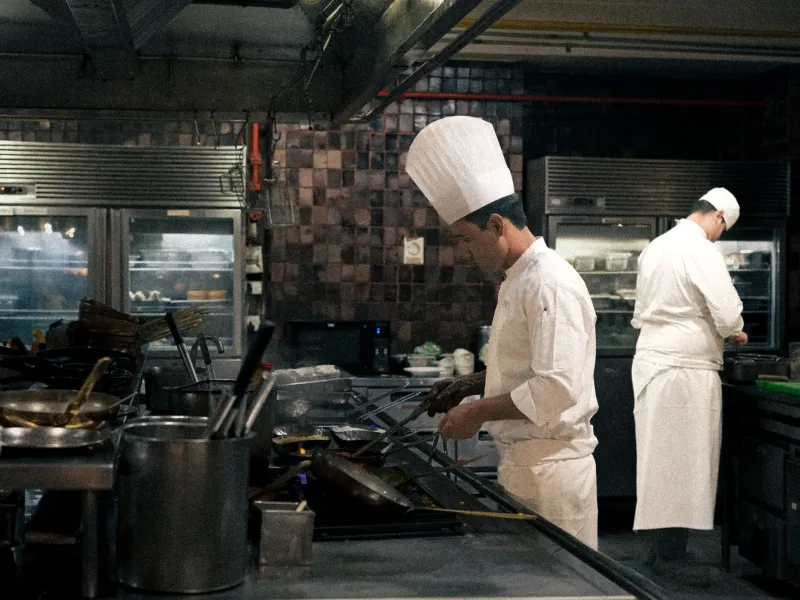
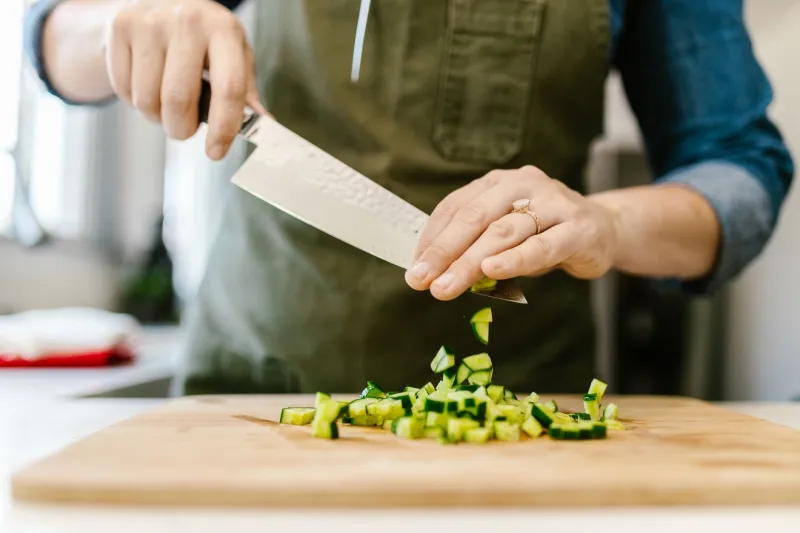
The kitchen, properly attended to, is among the richest sonic environments in human experience. The percussive rhythm of a knife against a wooden board. The low, sustained sizzle of aromatics meeting clarified butter. The hollow resonance of a copper pot receiving its contents. These are not merely incidental sounds — they are the auditory signature of technique itself. A trained cook can assess the temperature of a pan by the pitch of a sauté. An attentive listener can distinguish between the sound of properly caramelizing onions and those merely steaming in their own liquid.
ASMR cooking content, at its most considered, treats these sounds as primary rather than incidental. Narration — when it exists at all — arrives in measured, low tones that invite concentration rather than demand it. The viewer is not instructed so much as drawn into proximity with the process.
A Generational Departure from Culinary Spectacle
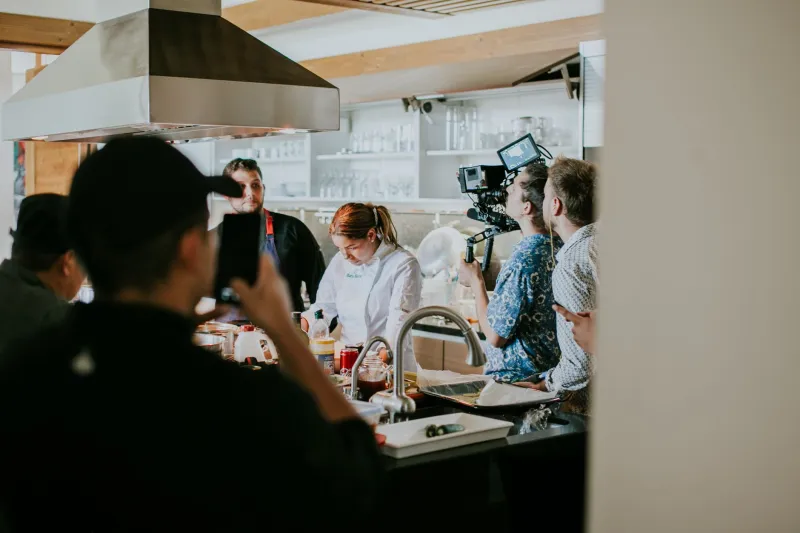
The timing of this movement's ascent is not coincidental. It has emerged in direct cultural conversation with a generation of American viewers who came of age watching cooking television defined by manufactured conflict, time-pressured elimination, and the relentless subordination of craft to entertainment mechanics. For many younger audiences, the shouting chef and the countdown clock have become symbols of a particular kind of culinary dishonesty — one that privileges drama over depth.
In contrast, ASMR cooking content frequently centers on processes that conventional food television would consider too slow, too quiet, or insufficiently telegenic. Extended sequences of pastry lamination. The unhurried preparation of a proper stock from raw bones. The patient reduction of a sauce through multiple stages. These are not inherently dramatic moments, but they are genuinely instructive ones — and ASMR formatting, paradoxically, makes them watchable in ways that straight instructional content often does not.
The sensory engagement that ASMR induces appears to function as a kind of attention anchor. Viewers who might otherwise disengage from a twelve-minute sequence of stock preparation find themselves held by the acoustic texture of the process itself. Whether this constitutes a deeper engagement with culinary knowledge, or simply a more pleasant form of passive viewing, is a distinction worth preserving.
The Authenticity Question
Not all ASMR cooking content is created with equal intentionality, and the format's growing commercial appeal has predictably attracted producers whose interest in sensory authenticity is secondary to their interest in audience metrics. There is a meaningful difference between content that employs ASMR principles because they genuinely serve the culinary material, and content that deploys whispering and amplified sound design as aesthetic branding — a quieter form of the same performance it ostensibly rejects.
Several independent creators operating in this space have built substantial followings by maintaining a rigorous commitment to technique. Their content does not simplify recipes for accessibility, nor does it substitute atmospheric production for culinary rigor. The hushed register of their presentation is matched by the precision of their instruction. In these cases, the ASMR format functions as a genuine service to the material — stripping away the noise, literal and figurative, that separates the viewer from the craft.
Other productions, however, have recognized that the aesthetic markers of ASMR — the close microphone, the slow pacing, the soft light — can be applied to content of considerably less substance. A beautifully filmed sequence of someone assembling a charcuterie board in near-silence is not, in any meaningful sense, a culinary education. It is ambiance with a food-adjacent subject. The distinction matters, and it is one that sophisticated viewers are increasingly equipped to draw.
What Gourmet Television Might Learn
The ASMR cooking movement presents an interesting provocation to the broader culinary entertainment landscape. Its commercial success — and the engagement metrics associated with its most serious practitioners — suggests that American audiences contain a significant constituency that is not merely tolerating slowness and technical depth, but actively seeking them out.
This has implications for how premium food television might evolve. The assumption that sophistication must be mediated through high production spectacle — the helicopter shots, the celebrity judges, the dramatic elimination reveals — is increasingly contested by evidence that a quieter, more intimate mode of presentation can command comparable loyalty. Some established culinary networks have begun experimenting with longer-form, lower-intervention content that owes something to the ASMR aesthetic without explicitly adopting its conventions.
The more interesting question is whether the format can sustain the weight of genuinely complex culinary material over time. ASMR content has demonstrated its capacity to hold attention through sensory engagement. It has proven less consistently successful at conveying the conceptual architecture of serious cooking — the understanding of why a technique works, not merely what it sounds like when executed correctly.
A Quieter Kind of Sophistication
Perhaps what the ASMR cooking movement ultimately represents is less a revolution in culinary television than a recalibration of its values. It has demonstrated, with some force, that the hyperkinetic model of food entertainment is a choice rather than a necessity — that audiences can be held by attention rather than stimulation, by presence rather than performance.
For those invested in the proposition that food television can serve as a genuine vehicle for culinary culture, that recalibration is worth taking seriously. The whisper, it turns out, can carry considerable authority. Whether the industry that surrounds it will honor that authority, or merely commodify its aesthetic, will determine whether this quiet movement becomes a lasting influence or simply the next format cycle in American food entertainment's restless search for novelty.