Fading Flavors: How Gourmet Television's Hunger for Spectacle Is Leaving America's Culinary Soul Behind
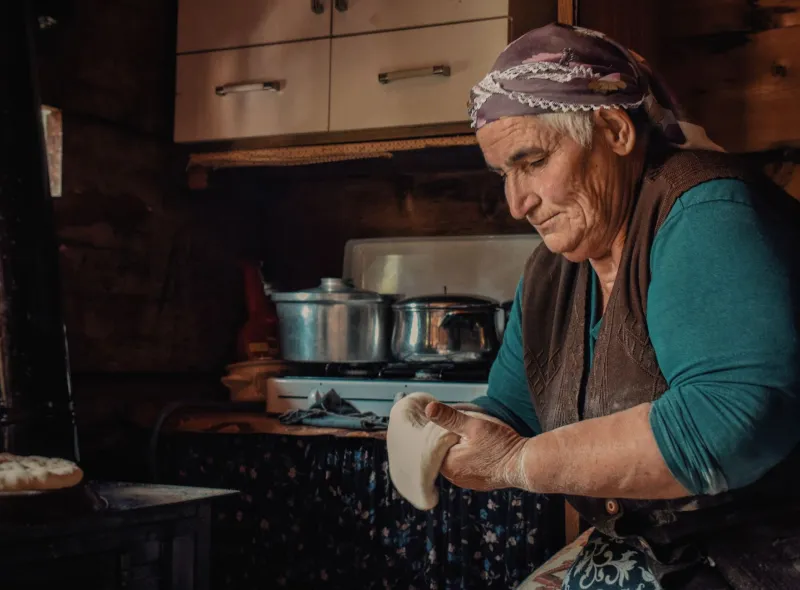
There is a particular kind of knowledge that lives in the hands of an elderly woman pressing dried corn through a stone mill in the Smoky Mountains, or in the practiced wrist of a Vietnamese-American grandmother folding bánh cuốn in a Houston kitchen that has never been photographed. It is knowledge accumulated across decades, sometimes centuries, transmitted not through culinary academies or streaming platforms, but through proximity, patience, and love. And it is knowledge that premium culinary television, in its relentless pursuit of the spectacular, is failing to capture before it disappears entirely.
Gourmet programming in the United States has never been more visually sophisticated, more technically ambitious, or more generously funded. Yet for all its polish, it has grown increasingly narrow in its definition of what constitutes food worth celebrating. The result is a curious paradox: a golden age of culinary entertainment that is, in fundamental ways, impoverishing the national conversation about American food.
The Architecture of Omission
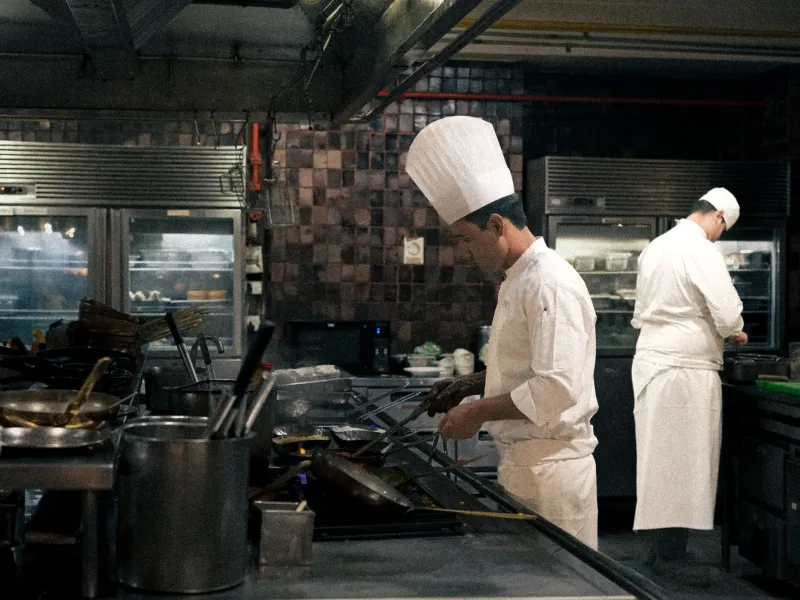
To understand what gourmet television excludes, one must first examine what it consistently includes. The dominant grammar of premium food programming — elaborate mise en place, luxury proteins, European technique, urban settings, and charismatic chefs with recognizable names — has calcified into a formula that networks and streaming services reproduce with remarkable fidelity. A casual survey of flagship culinary titles available to American audiences reveals an overwhelming concentration on fine dining establishments in New York, Los Angeles, Chicago, and San Francisco, with occasional forays into the cuisines of France, Japan, or Scandinavia framed as aspirational destinations.
What this architecture systematically omits is staggering in its scope. The smoked meat traditions of the Carolina Piedmont, refined over three centuries by Black pitmasters whose techniques predate the American republic itself, receive a fraction of the screen time devoted to any given Parisian patisserie. The intricate fermentation practices of the Hmong diaspora communities in Minnesota's Twin Cities — communities that have developed a genuinely distinct American culinary identity over four decades — remain almost entirely invisible to mainstream food television audiences. The fry bread traditions of the Navajo Nation, the Gullah Geechee rice cooking of the South Carolina Lowcountry, the Czech kolache culture of Central Texas: each represents a living culinary tradition of extraordinary depth, and each is, by any honest accounting, underserved by the platforms that claim to celebrate American food.
Spectacle as Editorial Policy
The preference for spectacle over substance is not accidental. It reflects a coherent, if rarely articulated, editorial philosophy shaped by production economics, audience metrics, and the particular aesthetics of the streaming era. Dramatic plating photographs well. Rare ingredients signal luxury. Known chefs deliver built-in audiences. Regional American foodways, by contrast, tend toward the unhurried, the modest, and the deeply contextual — qualities that resist compression into the tight narrative arcs that contemporary food television demands.
This is not merely an aesthetic preference; it carries real cultural consequences. When a cooking tradition does not appear on screen, it does not simply remain undocumented — it loses a powerful mechanism for transmission to younger generations who increasingly encounter food culture through digital media. A teenager in Asheville, North Carolina, who watches dozens of hours of premium culinary content each month and never once sees a skilled elder demonstrating the preparation of ramps or leather britches beans receives an implicit message about what food is worthy of serious attention. That message is both false and damaging.
The Documentation Imperative
Gourmet television's responsibility here is not merely aesthetic or commercial — it is, in the most literal sense, archival. Many of the culinary traditions most urgently in need of screen time belong to communities that have faced systematic erasure: Indigenous nations whose food sovereignty was deliberately undermined through federal policy, immigrant communities whose cooking practices exist in a state of perpetual generational negotiation, rural communities whose economic marginalization has been compounded by cultural invisibility.
The late Jonathan Gold, the Pulitzer Prize-winning food critic, spent decades arguing that a taco truck on a Los Angeles side street could represent as sophisticated and as meaningful a culinary achievement as any Michelin-starred dining room. His work demonstrated that the vocabulary of serious food writing could be extended to encompass the full breadth of American eating without condescension or exoticization. Gourmet television has largely failed to make a parallel argument on screen, and the cultural cost of that failure compounds with each passing year.
Consider the Isaan cooking traditions preserved within Thai-American communities in cities like Minneapolis and Dallas, or the Oaxacan culinary practices maintained by Mexican immigrant families in California's Central Valley. These are not static museum pieces but dynamic, evolving food cultures that are actively shaping what American cuisine will mean in the coming decades. They deserve documentation not as curiosities or as tokens of diversity, but as the serious, complex culinary achievements they are.
What Responsible Programming Might Look Like
The good news is that the infrastructure for more equitable culinary storytelling already exists. A number of independent documentary filmmakers and digital-native food journalists have demonstrated that regional and community-based food traditions can be presented with the same production values and narrative sophistication that premium television brings to its elite-facing content. The appetite among American audiences for this kind of storytelling is genuine and growing.
What is required is not charity but editorial courage: a willingness on the part of network executives and streaming platform programmers to commission work that does not begin with a famous chef or a recognizable restaurant, and to trust that the quiet mastery of a Lowcountry rice farmer or a Tejano tortillera is as compelling — and as commercially viable — as the theatrical pyrotechnics of a competition kitchen.
Several possible formats suggest themselves. Long-form documentary series organized around specific regional foodways rather than individual chefs. Collaborative programming developed in genuine partnership with Indigenous food sovereignty organizations. Multi-episode explorations of the culinary geography of specific immigrant communities, produced with the same depth and respect typically reserved for European food traditions. These are not radical proposals. They are, rather, the logical extension of what gourmet television claims to value.
A Responsibility That Cannot Be Deferred
The urgency of this argument is not abstract. Culinary traditions are not self-preserving. They require practitioners, and practitioners require audiences, and audiences require the cultural validation that media coverage provides. Every season that premium culinary television devotes its resources to the already-celebrated while ignoring the underdocumented is a season in which irreplaceable knowledge moves closer to the threshold of loss.
Gourmet programming has built its reputation on the premise that food is a serious subject deserving serious attention. It is time for that premise to encompass the full, extraordinary breadth of what Americans actually cook, eat, and remember. The silence between the sizzle — the unhurried, unspectacular, profoundly human act of preparing food the way one's people have always prepared it — is not dead air. It is, arguably, the most important thing that culinary television could choose to broadcast.