Soil, Season, and Silence: Why Gourmet Television Cannot Capture the Soul of Where Food Comes From
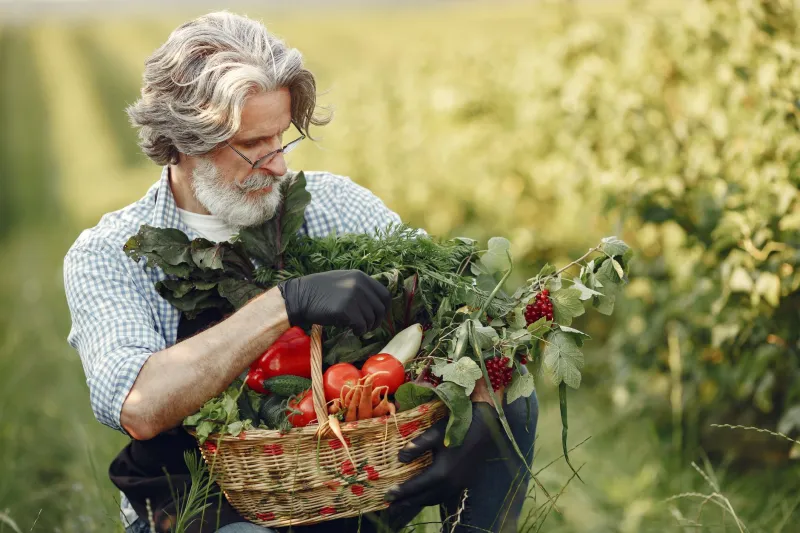
There is a moment, familiar to anyone who has ever bitten into a sun-warmed tomato pulled directly from a garden in central California or tasted an oyster harvested that morning from the cold Atlantic waters off the Maine coast, when flavor transcends mere sensation. It becomes geography. It becomes memory. It becomes something that no recipe, no matter how precise, can fully reproduce outside of its native context. That moment is the essence of terroir — and it is, for all practical purposes, invisible to the television camera.
Gourmet programming in America has reached remarkable heights of visual sophistication. Cinematographers deploy macro lenses to render a sear's caramelization in extraordinary detail. Sound designers engineer the precise acoustic frequency of a perfect crust. Lighting directors sculpt shadows across a finished plate as carefully as any portrait painter. Yet for all this technical mastery, the medium remains constitutionally unable to transmit the one quality that serious food scholars and celebrated chefs consistently identify as the most profound determinant of flavor: the land itself.
What Terroir Actually Means — and Why It Matters Beyond Wine
The concept of terroir originates in French viticulture, where it describes the complete natural environment in which a particular wine grape is grown — encompassing soil composition, topography, microclimate, and even the microbial communities living beneath the vineyard floor. Over time, the term has expanded well beyond wine. Today, serious culinary discourse applies it to everything from Vermont maple syrup and Vidalia onions to Pacific Northwest Dungeness crab and the heritage wheat varieties being revived by American grain farmers across the Great Plains.
At its core, terroir is an argument that place is an ingredient. It insists that the mineral content of a particular aquifer, the angle at which afternoon light strikes a hillside orchard, the salt content of a coastal fog — these are not incidental conditions but active contributors to the flavor profile of what grows within them. A Berkshire pork chop raised on a small farm in the Hudson Valley carries within its fat a record of the specific grasses, acorns, and soil bacteria that shaped its life. That record cannot be reproduced in a studio kitchen, no matter how talented the chef standing at the range.
The Camera's Fundamental Limitation
Television, by its nature, is a medium of surfaces. It can show what food looks like with extraordinary fidelity. It can, through careful sound design, approximate what food sounds like. It can even, through skilled narration and evocative language, gesture toward aroma. What it cannot do — and this is not a failure of craft but a structural limitation of the medium itself — is transmit taste, smell, or the felt sense of a specific place.
Consider how most gourmet cooking shows handle the subject of ingredients. A chef reaches for a bottle of estate-grown olive oil from a small producer in Napa Valley. The camera lingers on the label, perhaps cuts to a brief establishing shot of sun-drenched groves. The chef speaks admiringly of its peppery finish and grassy notes. And then the oil is poured, the dish proceeds, and the moment passes. The viewer has received information about the oil but has experienced nothing of it. The terroir — the specific volcanic soil, the dry-farmed stress that concentrates flavor, the particular harvesting window that preserves polyphenols — remains entirely abstract.
This is not a criticism of any individual production. It is simply an honest accounting of what the screen can and cannot do. The challenge facing ambitious culinary television is whether narrative and visual ingenuity can compensate for what the medium cannot directly deliver.
The Few Who Are Trying
A small number of productions have begun to take this challenge seriously, with results that are instructive even when imperfect.
The most successful approach involves what might be called radical immersion — spending extended time in the landscape that produces the food before ever entering a kitchen. When a documentary crew follows a cheesemaker through an entire season on a Vermont hill farm, tracking the shift from winter hay to spring pasture and documenting how that transition registers in the milk's fat content and the resulting cheese's flavor, viewers begin to build a mental model of terroir that no quick cutaway to a bucolic field can provide. The accumulation of detail — muddy boots, the smell of silage described through a farmer's face, the cheesemaker's hand pressed against a wheel aging in a cave — constructs something approximating sensory knowledge.
Narrative architecture matters enormously here. Shows that treat ingredient sourcing as backstory — a brief prologue before the real action of cooking begins — will always fail to convey terroir's significance. The productions that succeed treat the land as a co-protagonist, returning to it throughout an episode, allowing viewers to develop a relationship with a place rather than simply receiving facts about it.
Some filmmakers have experimented with synesthetic techniques: pairing the visual texture of a particular soil with the rough, mineral quality of a wine made from grapes grown in it; scoring scenes of coastal fog with sound design that evokes salinity; using slow-motion footage of rain moving across an agricultural valley in a way that makes moisture feel tangible through the screen. These are imperfect approximations, but they represent genuine creative ambition.
What American Food Television Stands to Gain
The stakes here are not merely aesthetic. America is currently experiencing a significant and genuinely exciting revival of regional food identity. Small-scale producers from Appalachian bean farmers to Gulf Coast shrimpers to high-desert chile growers in New Mexico are reclaiming agricultural traditions that industrial food systems spent decades erasing. These producers are, in effect, the custodians of American terroir — and they deserve a form of television coverage equal to their significance.
When gourmet programming reduces these stories to charming interludes between knife skills demonstrations, it misses an opportunity to do something genuinely important: to help American viewers understand that the food on their plates is not a neutral commodity but a document of specific places, specific soils, and specific human relationships with land. That understanding, once established, changes how people eat, what they value, and which producers they choose to support.
Television cannot make a viewer taste the minerality of a Willamette Valley Pinot Noir or feel the particular weight of a Florida stone crab claw still cold from the trap. But it can, if it commits to the effort, make those invisible qualities feel real and consequential. The gap between what gourmet television currently delivers and what it might achieve in conveying the deep grammar of place remains wide. Closing it would represent not merely a technical accomplishment but a genuine contribution to American culinary culture — one that no amount of beautiful plating, however masterfully filmed, can substitute for.