Passing the Torch or Dimming It? Why Gourmet Television Fails to Forge the Next Generation of Culinary Masters
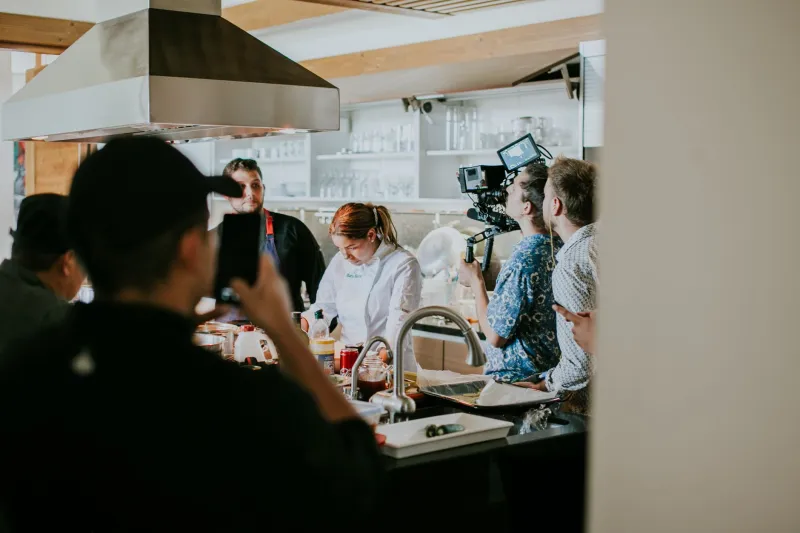
There is a seductive promise embedded in every prestige cooking program that features a celebrated chef guiding a younger talent through the intricacies of haute cuisine. The visual grammar is familiar: a master's hands steadying a novice's knife, a reverent pause before a perfectly reduced sauce, the quiet transfer of wisdom across a gleaming stainless steel counter. It is compelling television. What it is not, according to culinary educators and former television apprentices, is reliable mentorship.
The uncomfortable reality is that gourmet television — for all its cultural authority and production sophistication — has produced remarkably few culinary successors of genuine standing. The chefs who command the screen with effortless authority have not, by and large, generated a recognizable lineage of protégés who have gone on to reshape American dining. The question of why deserves more than a passing glance.
The Structural Problem With On-Screen Teaching
Mentorship, in its truest professional sense, is a slow and unglamorous undertaking. It requires repetition, candid correction, and the kind of sustained engagement that television's editorial demands make nearly impossible to honor. A culinary educator at a prominent northeastern institute, who has advised several production companies on the pedagogical integrity of their programming, put the tension plainly: "Real mentorship is built on failure and revision. Television is built on resolution and momentum. Those two things are fundamentally at odds."
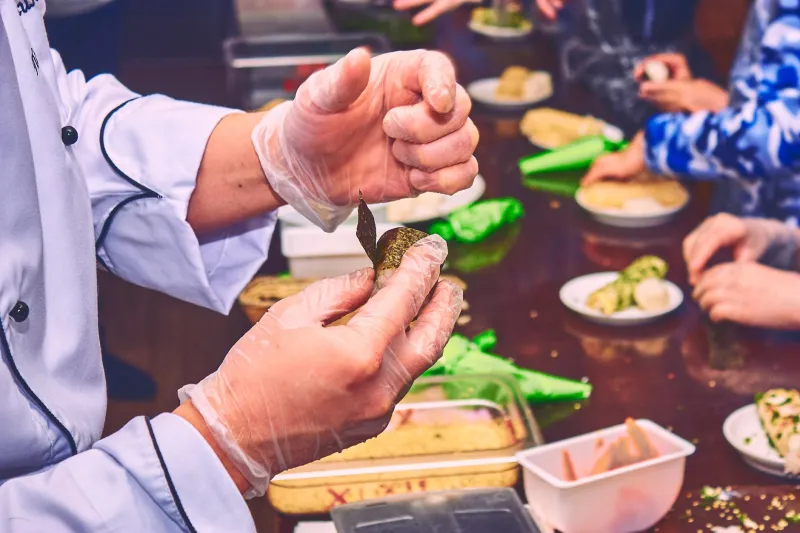
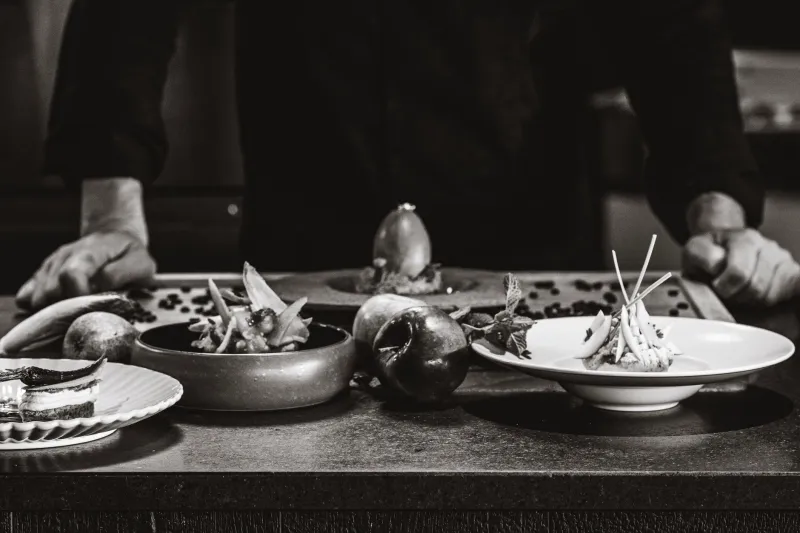
The structural architecture of a gourmet cooking program — even one with genuine artistic ambitions — is engineered to deliver satisfaction within a defined runtime. Techniques are demonstrated with an elegance that compresses years of repetitive practice into a single, beautifully lit sequence. What the viewer receives is inspiration. What they do not receive, and what a genuine apprentice requires, is the sustained scaffolding of correction, context, and consequence.
Former participants in several high-profile culinary television programs have described a version of this disconnect in candid terms. One pastry professional, who appeared in a prominent PBS-affiliated series alongside a James Beard Award–winning chef, recalled that the most instructive moments of her tenure were the ones that never made the final cut. "The camera wasn't running when he explained why my ganache had broken for the third time," she said. "That conversation — that real conversation — was worth more than anything that aired."
When the Platform Becomes the Priority
It would be unfair to suggest that the celebrated chefs of premium television are indifferent to the development of younger talent. Many have established mentorship initiatives, scholarship programs, and culinary foundations that operate entirely outside the frame of their television personas. The problem is not one of intention. It is one of incentive architecture.
A television program, regardless of its culinary ambitions, is ultimately a media product. Its renewal depends on ratings, its prestige on critical reception, and its commercial viability on the marketability of its central figure. In that context, the featured chef's role is to be compelling, authoritative, and aspirational — not necessarily to be pedagogically effective. The distinction matters enormously.
Dr. Renata Voss, a food media scholar whose research focuses on culinary instruction across broadcast and streaming platforms, argues that the conflation of entertainment and education is the central failure of the genre. "Viewers come away feeling informed," she notes, "and that feeling is real. But feeling informed and being equipped to execute at a high level are entirely different outcomes. Television is extraordinarily good at producing the former and structurally limited in producing the latter."
The Apprentice Who Wasn't
Perhaps the most telling evidence of gourmet television's mentorship gap lies in the career trajectories of those who have occupied the apprentice or protégé role on screen. Across a survey of prominent culinary programs from the past two decades, the number of on-screen apprentices who have gone on to earn Michelin recognition, lead destination restaurants, or establish themselves as culinary voices of national significance is strikingly modest relative to the volume of programming produced.
This is not to diminish the genuine achievements of those individuals. Many have built meaningful careers in food media, culinary education, and regional dining. But the expectation embedded in the mentorship narrative — that proximity to greatness on screen will catalyze greatness in the kitchen — has not been borne out with any consistency.
Chef Marcus Ellery, who operates a culinary apprenticeship program in Chicago modeled on traditional European brigade systems, is direct about the comparison. "What happens on television is not mentorship. It's demonstration. Demonstration is valuable. I'm not dismissing it. But you cannot compress ten years of a relationship into eight episodes and call it the same thing."
What Authentic Culinary Lineage Actually Requires
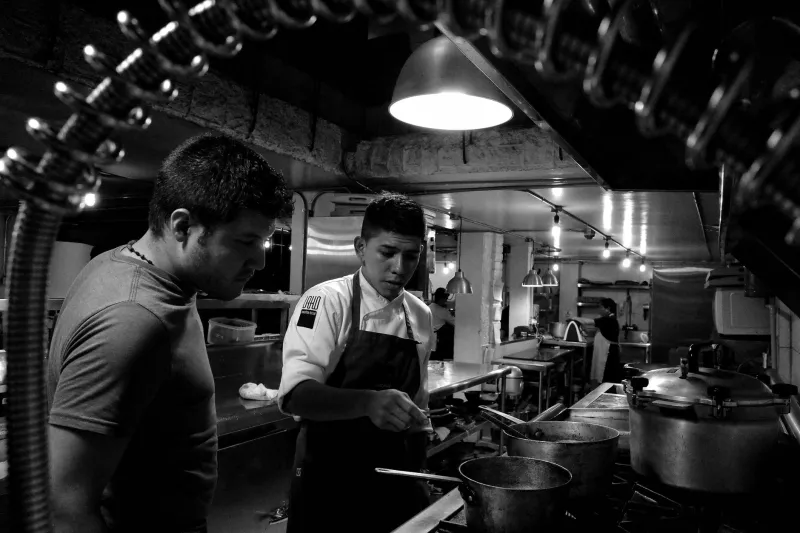
The chefs who have most reliably produced the next generation of culinary masters — figures whose influence can be traced through the kitchens of multiple Michelin-starred establishments — share a common characteristic that television cannot easily replicate: sustained, unmediated presence. The mentors who shaped American fine dining did so through years of daily proximity, through the grinding repetition of service, and through the kind of frank, private exchange that cameras would only distort.
Thomas Keller's influence on American cuisine is felt not primarily through his television appearances but through the extraordinary number of chefs who passed through the kitchens of The French Laundry and Per Se. That lineage was forged in silence and heat and the relentless pressure of professional service — not in front of a production crew.
This is not an argument against culinary television. The medium has done extraordinary work in elevating public appreciation for gourmet craft, expanding the vocabulary of American home cooking, and giving visibility to culinary traditions that might otherwise remain obscure. These are genuine and significant contributions.
But the mentorship narrative that premium cooking programs have adopted — the implicit promise that viewers are witnessing the authentic transmission of mastery — deserves scrutiny. It flatters the genre in ways that may ultimately do a disservice to the very craft it celebrates.
Toward a More Honest Conversation
The most productive path forward may be for gourmet television to relinquish the mentorship myth rather than continue to trade on it. A program that presents itself honestly as an act of culinary demonstration — ambitious, illuminating, and beautifully produced — serves its audience with integrity. A program that positions itself as the site of genuine knowledge transfer while prioritizing entertainment value above all else does not.
Some producers are beginning to acknowledge this tension. A handful of streaming-native culinary series have experimented with extended episode formats, unscripted exchanges, and deliberate inclusion of failure and revision — small but meaningful gestures toward authenticity. Whether these experiments represent a genuine shift in the genre's values or simply a new aesthetic vocabulary for the same underlying priorities remains to be seen.
What is certain is that the next generation of culinary masters will be shaped, as every previous generation has been, by kitchens rather than cameras — by the slow, unglamorous, and deeply human work of learning to cook at the highest level. Television can illuminate that world. It has not yet found a way to replicate it.