Heritage on the Burner: How Diaspora Chefs Are Expanding the Definition of Fine Dining Television
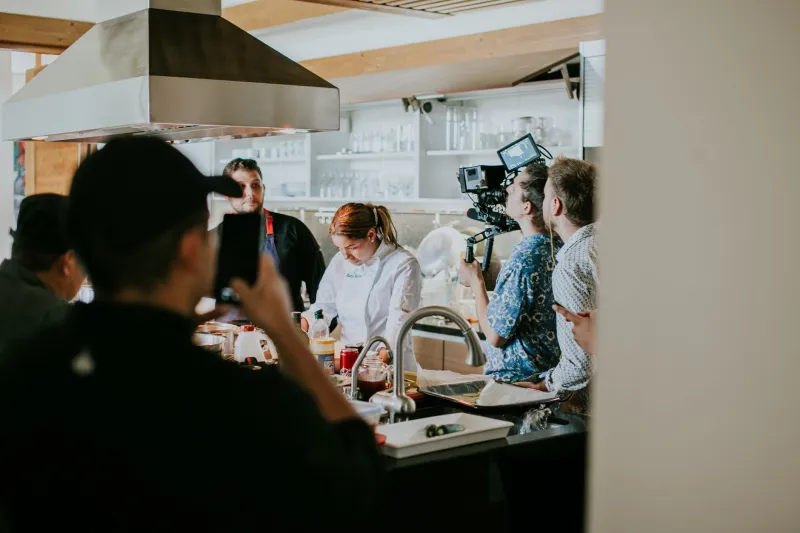
For decades, the grammar of American gourmet television was largely written in French. Beurre blanc, mise en place, the toque as a symbol of culinary authority — these were the visual and technical shorthand through which networks communicated prestige to their viewers. The kitchen on screen was aspirational, and that aspiration pointed, almost reflexively, toward Europe.
That orientation is changing, and it is changing with considerable force.
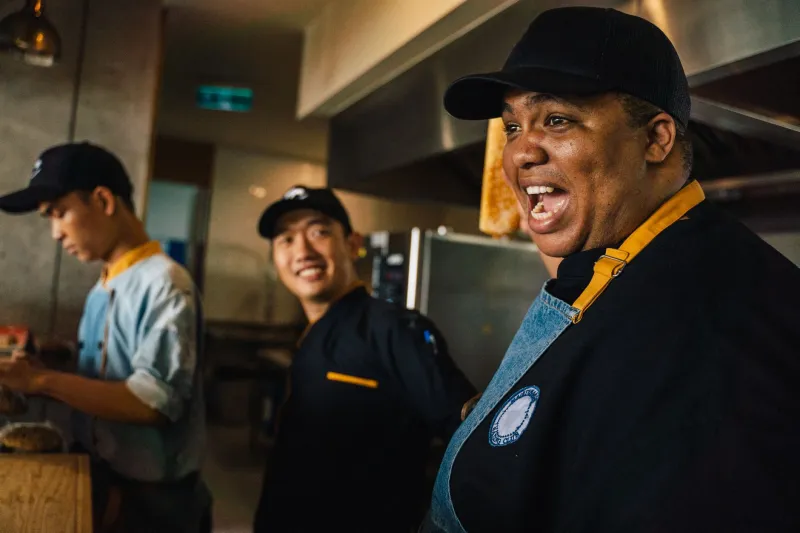
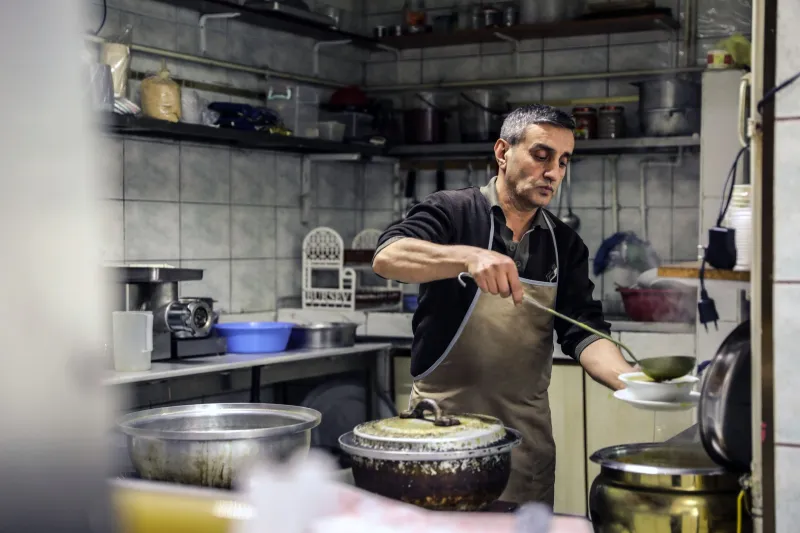
A growing roster of immigrant and diaspora chefs is claiming space on premium streaming platforms and cable networks, not by adapting their culinary identities to fit existing templates, but by insisting that those templates expand to accommodate them. The result is a quiet revolution in what American audiences are being invited to regard as sophisticated.
The Gatekeeping That Shaped a Generation of Programming
To understand what is shifting, it helps to understand what held for so long. The architecture of American food television was built on a particular set of assumptions: that fine dining drew its legitimacy from classical French training, that gourmet ingredients were primarily sourced from European traditions, and that the ideal viewer was someone who aspired to host a dinner party that would impress guests familiar with those conventions.
This framework was not simply aesthetic. It was economic and institutional. The chefs who received development deals, the food consultants who shaped episode content, and the executives who greenlit programming all operated within a shared understanding of what counted as elevated cuisine. Regional American cooking was occasionally celebrated, but the cuisines of South Asia, West Africa, the Middle East, Latin America, and Southeast Asia were far more likely to appear in the context of travel programming — observed at a distance — than in the context of instructional or prestige cooking content.
The implicit message was clear: these were cuisines to be appreciated as cultural artifacts, not studied as sophisticated culinary systems.
A Different Kind of Authority
What diaspora chefs are demonstrating, with increasing visibility, is that sophistication is not a geography. It is a depth of knowledge, a mastery of technique, and an ability to communicate both with precision and feeling. When a Nigerian-American chef explains the layered flavor construction of a slow-cooked egusi stew on camera — tracing the interplay of fermented locust beans, smoked crayfish, and leafy greens through a process that requires hours of patient attention — she is performing exactly the kind of culinary erudition that premium food television has always claimed to celebrate.
The difference is that her authority is rooted in family memory and regional tradition rather than in a certificate from a French culinary institute. For a growing segment of American audiences, that origin story does not diminish her expertise. It deepens it.
Streaming platforms, in particular, have proven more receptive to this shift than traditional broadcast networks. The economics of niche content and the demographics of younger, more diverse subscriber bases have created conditions under which a show built around the cooking of the Filipino diaspora, or the culinary traditions of the Levant, can find a sustainable audience without needing to appeal to the broadest possible mainstream.
Regional Specificity as a Form of Prestige
One of the most significant contributions diaspora chefs are making to food television is the introduction of regional specificity as a marker of quality. The distinction between the mole negro of Oaxaca and the mole coloradito of Puebla, or between the biryani traditions of Hyderabad and Lucknow, is the kind of granular culinary knowledge that gourmet programming has historically reserved for European cuisines — the difference between a Burgundy and a Bordeaux, say, or between the charcuterie traditions of Lyon and those of Alsace.
By insisting on that same level of specificity for their own culinary heritages, these chefs are doing something more than correcting an oversight. They are proposing a different model of what culinary sophistication looks like: one grounded in particularity, in the knowledge that every region has its own logic, its own ingredients, its own accumulated wisdom.
For American viewers who have grown up in multicultural cities, who have eaten at Vietnamese pho shops and Peruvian cevicherías and Ethiopian injera restaurants, this specificity resonates. It mirrors their own experience of a food culture that was never as monolithic as television once suggested.
What the Industry Is Still Getting Wrong
Progress, however, should not be mistaken for transformation. For every diaspora chef who has secured a premium platform deal, many more are producing content independently, on YouTube or social media, without the production budgets, editorial support, or distribution infrastructure that established networks provide. The greenlight process remains opaque, and the implicit standards against which new programming concepts are evaluated are slow to change.
There is also a persistent tendency, even within ostensibly progressive programming, to frame immigrant culinary traditions through the lens of emotional narrative rather than technical instruction. The diaspora chef is invited to tell the story of her grandmother's kitchen, to describe the smell of spices on Sunday mornings, to connect food to memory and identity — and all of that is genuine and valuable. But it can also function as a way of keeping the emphasis on sentiment rather than on mastery, on heritage as backstory rather than on technique as subject.
The chefs who are pushing back against this framing — who insist on being shown as technical authorities, not just as custodians of cultural memory — are the ones most actively reshaping what gourmet television can be.
The Viewer Who Has Been Waiting
Ultimately, the rise of diaspora chefs on premium food television is a story about an audience that existed long before the programming caught up to it. American viewers whose own family tables were set with dishes that bore no resemblance to anything on the Food Network in 1998 have always been hungry for content that reflected their culinary reality with the same seriousness and care that classic gourmet programming brought to French technique.
They are now, gradually, being served. And as they are, the definition of what American gourmet television sounds like, looks like, and tastes like is being rewritten — not by executives, but by chefs who arrived with their own recipes and refused to leave them at the door.