From Field to Frame: How Artisanal Producers Are Claiming Their Moment in the Gourmet Television Spotlight
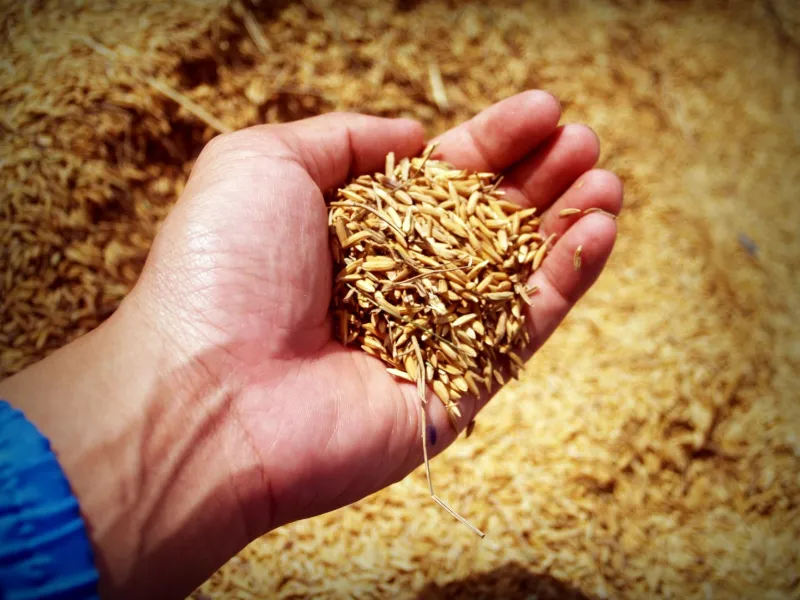
For decades, the dominant narrative of culinary television has followed a familiar arc: a commanding chef, an immaculate kitchen, and a finished dish that inspires admiration. The ingredients themselves—the spelt flour from a family-run mill in Vermont, the raw-milk Gouda aged in a converted Pennsylvania barn, the sungold tomatoes grown on a single-acre plot in California's Central Valley—have largely remained anonymous, mere supporting players in a story centered on human virtuosity.
That calculus is shifting. Across the landscape of premium food programming, a new kind of protagonist is emerging: the artisanal producer. And the consequences for both the television industry and the broader gourmet food ecosystem are proving more significant than anyone might have anticipated.
The Camera Turns Toward the Source
The movement toward ingredient-forward storytelling did not arrive without precedent. For years, farm-to-table rhetoric had been reshaping restaurant menus across the country, encouraging diners to ask not merely what they were eating, but where it had come from. What gourmet television has accomplished—perhaps inadvertently at first—is the translation of that sensibility into a visual medium capable of reaching millions of households simultaneously.
Producers of shows on streaming platforms and culinary cable networks have noted a growing appetite among their audiences for what might be called provenance narratives: segments that leave the professional kitchen entirely and travel to the source of a signature ingredient. A chef preparing a heritage-grain pasta dish is no longer simply a demonstration of technique; it is an opportunity to introduce viewers to a third-generation wheat farmer in the Palouse region of Washington State, to witness the stone-milling process firsthand, and to understand why the protein content of an heirloom Red Fife variety produces a fundamentally different result than commodity flour from a supermarket shelf.
The storytelling potential is considerable, and television producers have recognized it as such.
A Single Appearance, a Transformed Business
The ripple effects of this visibility on small producers have been well documented, if not always widely reported. Consider the trajectory of heritage grain operations that have appeared on prominent cooking programs in recent years. Industry observers have noted that many such businesses experience what might generously be called a demand crisis in the weeks following a broadcast: online storefronts overwhelmed, waitlists extending for months, and wholesale inquiries arriving from restaurants and specialty retailers that had never previously expressed interest.
For a small-batch cheesemaker operating with a herd of forty goats and a production capacity measured in wheels rather than tons, this kind of sudden visibility presents both opportunity and genuine operational strain. The romantic image of the artisanal producer as a figure immune to commercial pressures dissolves rather quickly when fulfillment infrastructure struggles to meet orders generated by a fifteen-minute television segment.
Yet the longer-term consequences tend to be transformative in ways that extend beyond revenue. Producers who gain television prominence frequently describe a shift in how they are perceived within their own supply chains—by distributors, by chefs, and by the specialty grocery buyers who ultimately determine which products reach consumers. Visibility confers a form of credibility that years of craft alone do not always generate.
Reshaping Consumer Expectations, One Broadcast at a Time
Perhaps the most consequential effect of this trend is its influence on the American consumer's relationship with ingredient quality. Gourmet television, by its very nature, reaches audiences who are already predisposed to engagement with food culture. When those viewers watch a celebrated chef explain, with evident conviction, why a particular varietal of heirloom corn produces a polenta of incomparably superior texture and flavor, the message carries weight that a supermarket shelf tag or a farmers' market handout cannot easily replicate.
Over time, repeated exposure to this kind of ingredient storytelling recalibrates expectations. Viewers begin to ask questions they might not have previously considered: Who grew this? How was it processed? What distinguishes it from the generic alternative? These are not merely aesthetic inquiries; they represent a fundamental evolution in food literacy, and premium cooking programming is serving as one of its primary engines.
Retailers in the specialty food sector have observed this phenomenon directly. Buyers at independent grocery stores and gourmet food shops across the country report that customers increasingly arrive with specific producer names in mind—names they encountered not through word of mouth or a magazine article, but through a cooking show segment that aired weeks or months earlier.
The Producer as Personality
What distinguishes the current moment from earlier iterations of ingredient-focused programming is the degree to which television is now invested in the producer as a character, not merely a context. The most effective segments do not simply explain where an ingredient originates; they construct a narrative around the individual or family responsible for its creation.
A fifth-generation beekeeper from the hill country of Texas becomes, in the hands of a skilled production team, not merely a supplier of raw honey but a keeper of regional agricultural tradition, a steward of a declining pollinator population, and a practitioner of craft whose knowledge exists nowhere in written form. That kind of storytelling transforms a jar of honey into something imbued with meaning—and it transforms the beekeeper into a minor celebrity within the gourmet food world.
This celebrity, modest as it may appear relative to the fame commanded by the chefs who feature these producers' ingredients, carries its own economic and cultural weight. Producers who achieve this kind of recognition frequently find themselves invited to participate in food festivals, to collaborate on limited-edition products with prominent culinary figures, and to speak at industry events where their perspective on sourcing and sustainability commands genuine attention.
The Ecosystem Effect
Zooming outward from individual success stories, it becomes apparent that the elevation of artisanal producers through gourmet television is generating effects that extend well beyond any single farm or creamery. As consumer awareness of ingredient provenance deepens, the competitive environment for commodity food producers intensifies. Simultaneously, the market for genuinely differentiated, small-batch products continues to expand, creating economic incentives for a new generation of producers to enter fields—quite literally—that might otherwise have seemed economically untenable.
Chef culture, too, is responding. In professional kitchens across the country, the sourcing conversation has grown more sophisticated, driven in part by the expectations that television has helped cultivate among the dining public. A menu that once required only a passing nod to local sourcing now demands specificity—named farms, named producers, named varieties—because diners, educated in part by what they have watched on screen, have learned to ask for it.
A New Kind of Culinary Star
The gourmet television landscape is not, of course, about to abandon its chefs. The kitchen remains the stage upon which the most compelling culinary drama unfolds, and the skills of an accomplished cook will always constitute the heart of the genre. But the expanding presence of artisanal producers within that landscape signals something meaningful about the direction in which food culture is moving.
The ingredient is no longer merely a vehicle for technique. It is a story in its own right—one with geography, history, and human consequence embedded within it. And as premium cooking programming continues to tell that story with increasing sophistication, the men and women who dedicate their lives to growing, raising, and crafting extraordinary ingredients are finding, perhaps for the first time, that the camera is finally pointed in their direction.